

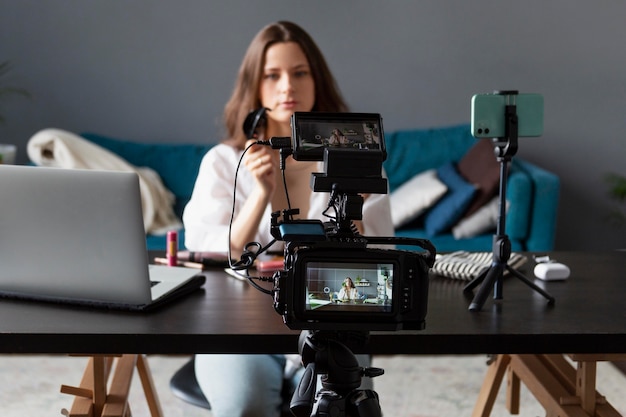
In the modern business landscape, video content has become a powerful tool for engaging audiences, building brand identity, and driving growth. Business videography encompasses a range of video types, from promotional content and corporate presentations to training videos and client testimonials. This guide will help you understand the essentials of business videography, offering strategies, equipment recommendations, and techniques to create effective and professional business videos.
The Importance of Business Videography
Business videography is a critical component of any comprehensive marketing strategy. High-quality videos can:
- Enhance Brand Identity: Professional videos help establish and reinforce your brand’s identity. They offer a visual representation of your brand values, culture, and mission.
- Increase Engagement: Videos tend to capture more attention than static content. They can increase engagement on social media platforms, websites, and email campaigns.
- Improve Communication: Video is an effective medium for conveying complex information in a clear and engaging manner. It can be used for internal communications, client presentations, and training.
- Boost Conversions: Well-crafted promotional videos can drive sales and conversions by highlighting the benefits of your products or services and providing clear calls to action.
Essential Equipment for Business Videography
Investing in the right equipment is key to producing high-quality business videos. Here’s a rundown of essential gear:
- Camera: A DSLR or mirrorless camera with high-resolution video capabilities is ideal for business videography. These cameras offer versatility and excellent image quality. For a more compact option, high-end compact cameras can also deliver impressive results.
- Lenses: A versatile zoom lens, such as a 24-70mm, is useful for various shooting scenarios. A wide-angle lens is beneficial for capturing larger spaces or group shots, while a macro lens can be used for detailed close-ups.
- Tripod or Stabilizer: A sturdy tripod or stabilizer is essential for achieving stable, professional-looking shots. For dynamic shots or interviews, a gimbal can help ensure smooth camera movements.
- Microphones: High-quality audio is crucial for business videos. Use an external microphone, such as a shotgun mic for interviews or a lavalier mic for presentations, to capture clear, crisp sound.
- Lighting: Proper lighting is vital for achieving professional results. Invest in softbox lights or LED panels to ensure even, flattering illumination. Ring lights are useful for enhancing facial features in interviews or vlogs.
- Editing Software: Post-production is where your video comes to life. Use editing software like Adobe Premiere Pro, Final Cut Pro, or DaVinci Resolve to cut, color grade, and add effects to your footage.
Strategies for Effective Business Videography
- Define Your Goals: Before starting a video project, clearly define your objectives. Are you aiming to promote a product, share company news, or provide training? Understanding your goals will guide your content creation process.
- Know Your Audience: Tailor your video content to your target audience. Consider their interests, needs, and preferences to create videos that resonate with them and drive engagement.
- Craft a Strong Narrative: A compelling story can make your video more engaging and memorable. Structure your video with a clear beginning, middle, and end. Highlight key messages and include a call to action to guide viewers toward the desired outcome.
- Maintain Brand Consistency: Ensure your videos reflect your brand’s identity and values. Use consistent branding elements, such as logos, colors, and fonts, to reinforce your brand’s image.
- Invest in Quality Production: High production values can significantly impact the effectiveness of your videos. Pay attention to details such as lighting, audio quality, and camera angles to ensure a polished, professional result.
- Optimize for Platforms: Different platforms have different requirements and best practices. Tailor your videos for specific platforms, such as social media, YouTube, or your website, and ensure they meet platform specifications for optimal performance.
Tips for Filming Business Videos
- Plan Ahead: Create a detailed script or storyboard to plan your shots and scenes. This will help you stay organized and ensure you cover all necessary content.
- Keep It Professional: Maintain a professional demeanor on camera. Dress appropriately, use clear and concise language, and present yourself in a way that aligns with your brand’s image.
- Focus on Visual Appeal: Pay attention to framing, composition, and lighting to create visually appealing videos. Avoid cluttered backgrounds and ensure the primary subject is well-lit and in focus.
- Capture Engaging B-Roll: Supplement your main footage with B-roll shots to add visual interest and context. B-roll can include footage of your office, team members, or relevant products.
- Use Engaging Graphics: Incorporate graphics, text overlays, and animations to enhance your video and highlight key points. These elements can make your video more informative and engaging.
- Review and Revise: Before finalizing your video, review it thoroughly to check for any errors or areas that can be improved. Make revisions as needed to ensure a polished final product.
Editing and Sharing Business Videos
The editing process is where your video truly comes together. Use editing software to cut unnecessary footage, add transitions, and enhance audio and visuals. Incorporate branding elements and ensure the video aligns with your brand’s style and tone.

Once your video is complete, share it across relevant platforms to reach your audience. Upload it to your website, social media channels, and video platforms like YouTube or Vimeo. Consider creating teaser clips or promotional snippets to drive traffic and engagement.
Conclusion
Business videography is a powerful tool for enhancing your brand, engaging with your audience, and achieving your marketing and communication goals. By investing in the right equipment, crafting compelling narratives, and following best practices, you can create professional, impactful videos that drive results. Whether you’re producing promotional content, internal communications, or training materials, effective business videography can significantly contribute to your success.
