

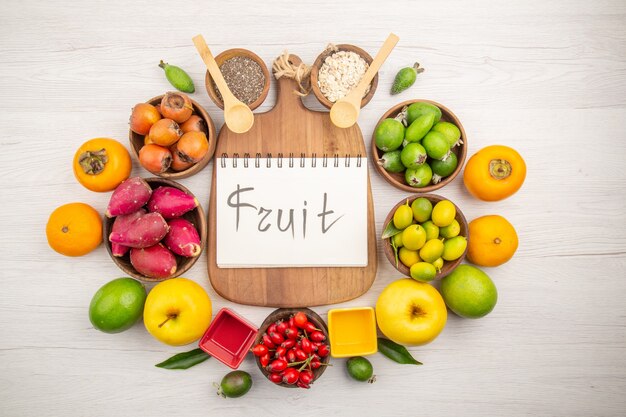
Maintaining a healthy diet is key to overall well-being, energy, and vitality. With so much information available, it can be challenging to navigate what constitutes a healthy diet. This guide offers practical tips for incorporating nutritious foods into your daily life, ensuring that you make balanced choices that support your health goals.
1. Focus on Whole Foods
What Are Whole Foods? Whole foods are natural, unprocessed foods that are free from artificial additives and preservatives. They include fruits, vegetables, whole grains, nuts, seeds, and lean proteins.
Why It Matters: Whole foods are rich in essential nutrients, vitamins, and minerals that support overall health. They also tend to be lower in unhealthy fats, added sugars, and sodium.
Tips:

- Fruits and Vegetables: Aim for a variety of colors and types. Fresh, frozen, or canned (without added sugar or salt) options are all beneficial.
- Whole Grains: Choose whole grains like brown rice, quinoa, and oats instead of refined grains.
- Nuts and Seeds: Include sources of healthy fats, such as almonds, chia seeds, and flaxseeds, in your diet.
2. Balance Your Macronutrients
Macronutrients Overview: Macronutrients include carbohydrates, proteins, and fats. Each plays a unique role in maintaining bodily functions and overall health.
Why It Matters: Balancing macronutrients helps stabilize energy levels, supports muscle growth, and maintains healthy bodily functions.
Tips:
- Carbohydrates: Choose complex carbs from whole grains, legumes, and vegetables, which provide sustained energy and fiber.
- Proteins: Incorporate lean protein sources like chicken, fish, beans, and tofu to support muscle repair and immune function.
- Fats: Opt for healthy fats found in avocados, olive oil, and nuts, and limit saturated and trans fats.
3. Stay Hydrated
Importance of Hydration: Water is essential for every cell and function in the body. Proper hydration supports digestion, metabolism, and overall health.
Tips:
- Water Intake: Aim to drink at least 8 cups of water daily. Adjust based on activity level and climate.
- Hydrating Foods: Include foods with high water content, such as cucumbers, oranges, and watermelon, in your diet.
4. Mindful Eating
What Is Mindful Eating? Mindful eating involves paying full attention to the eating experience, savoring each bite, and listening to your body’s hunger and fullness cues.
Why It Matters: Mindful eating helps prevent overeating, improves digestion, and enhances the enjoyment of meals.
Tips:
- Slow Down: Take time to chew thoroughly and enjoy the flavors and textures of your food.
- Portion Control: Serve smaller portions and avoid eating directly from packages to help manage portion sizes.
5. Limit Processed Foods
What Are Processed Foods? Processed foods are often high in added sugars, unhealthy fats, and sodium, and may lack essential nutrients.
Why It Matters: Excessive consumption of processed foods can lead to weight gain, chronic diseases, and poor overall health.
Tips:
- Read Labels: Check ingredient lists for added sugars, unhealthy fats, and excessive sodium.
- Cook at Home: Prepare meals from scratch using fresh ingredients to control the quality and quantity of the food you consume.
6. Incorporate a Variety of Foods
Why Variety Matters: Eating a diverse range of foods ensures you get a broad spectrum of nutrients and reduces the risk of nutritional deficiencies.
Tips:
- Rotate Vegetables: Include different vegetables in your meals to benefit from various vitamins and minerals.
- Try New Foods: Experiment with new fruits, grains, and protein sources to keep your diet interesting and nutritious.
7. Plan and Prepare Meals
Importance of Meal Planning: Meal planning helps you make healthier choices, save time, and avoid the temptation of unhealthy convenience foods.
Tips:
- Weekly Menu: Plan your meals and snacks for the week, incorporating a variety of nutrient-dense foods.
- Batch Cooking: Prepare large quantities of healthy meals and store them in the fridge or freezer for easy access.
8. Include Healthy Snacks
Role of Snacks: Healthy snacks can help maintain energy levels, prevent overeating at mealtime, and provide essential nutrients.
Tips:
- Smart Choices: Opt for snacks that include a balance of protein, fiber, and healthy fats, such as Greek yogurt with berries, nuts, or sliced veggies with hummus.
- Portion Control: Pre-portion snacks to avoid mindless eating and overconsumption.
9. Be Mindful of Added Sugars
What Are Added Sugars? Added sugars are those added to foods and drinks during processing or preparation, which can contribute to weight gain and health issues.
Why It Matters: Limiting added sugars helps manage weight, reduce the risk of diabetes, and improve overall health.
Tips:
- Read Labels: Check for added sugars in packaged foods and beverages, including syrups, honey, and high-fructose corn syrup.
- Opt for Natural Sweeteners: Use natural sweeteners like fruit or small amounts of honey when needed.
10. Enjoy Your Food
Importance of Enjoyment: Eating should be a pleasurable experience. Enjoying your food can enhance satisfaction and promote healthier eating habits.
Tips:
- Savor Each Meal: Take time to enjoy the taste, aroma, and texture of your food.
- Social Eating: Share meals with family and friends to enhance the enjoyment and create positive eating experiences.
Conclusion
Adopting healthy food habits involves focusing on whole, nutrient-dense foods, balancing macronutrients, staying hydrated, and practicing mindful eating. By incorporating these tips into your daily routine, you can nourish your body, support overall health, and enjoy a more fulfilling and balanced diet.
