

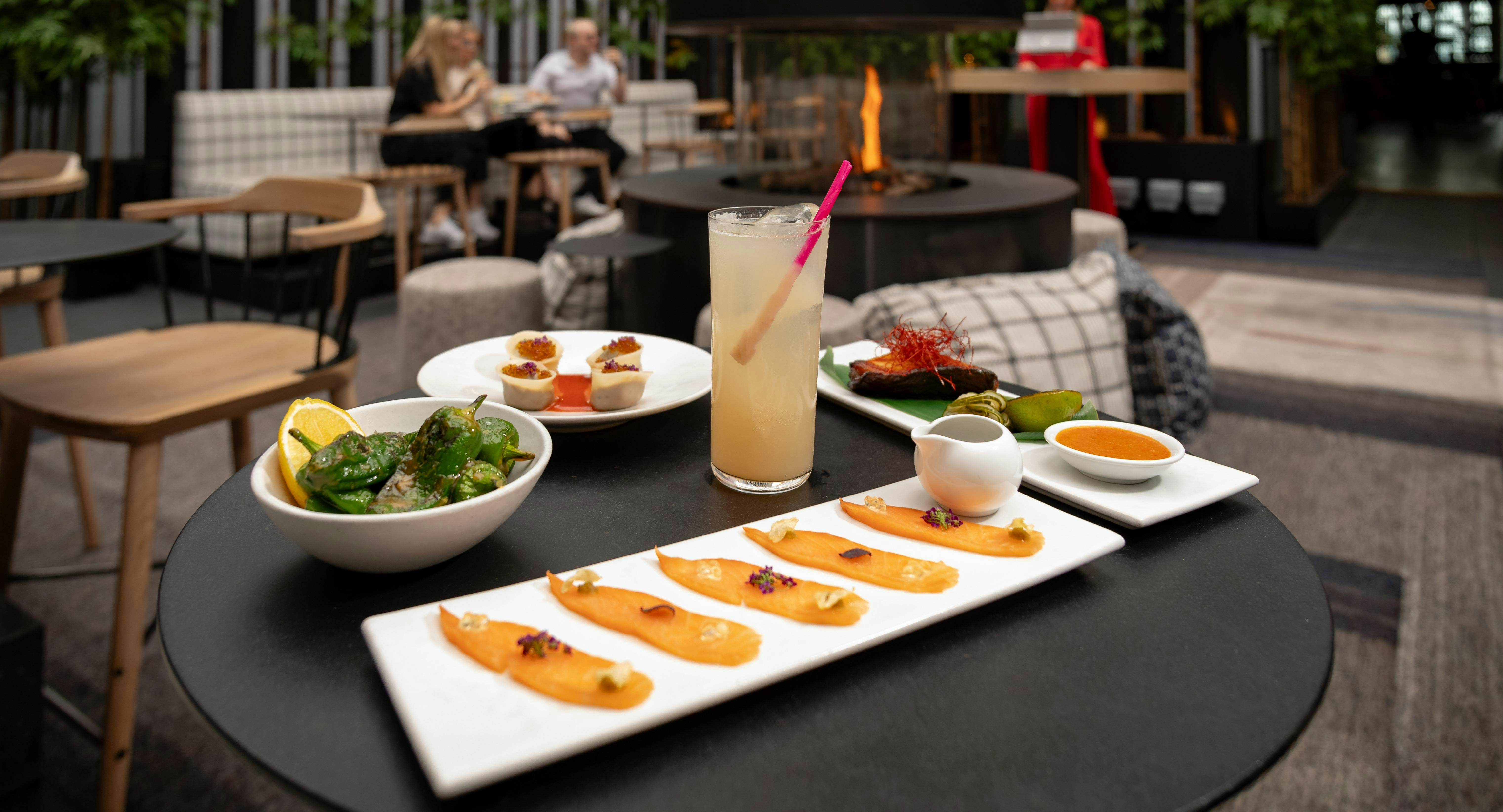
Eating out at restaurants is a delightful way to explore new flavors, enjoy diverse cuisines, and relax in a social setting. Whether you’re a foodie, a casual diner, or someone with specific dietary needs, understanding how to make the most of your restaurant experience can enhance your enjoyment and satisfaction. This guide provides essential tips for navigating restaurant menus, making informed choices, and maximizing your dining experience.
1. Decoding Restaurant Menus
Understanding Menu Types:
- À la Carte: Each item is individually priced. This allows you to tailor your meal to your preferences and manage portion sizes.
- Fixed-Price (Table d’Hôte): Offers a set menu at a fixed price, often including multiple courses. This is a great way to experience a range of dishes at a set cost.
- Buffet: Features a variety of dishes that you can serve yourself. Buffets provide flexibility but can sometimes lead to overeating.
- Tasting Menu: A curated selection of small dishes designed to showcase a chef’s specialties. Perfect for experiencing a range of flavors and techniques.
Tips:
- Read Descriptions Carefully: Menu descriptions can reveal key ingredients and preparation methods. This helps you make informed choices, especially if you have allergies or dietary preferences.
- Ask for Clarifications: Don’t hesitate to ask your server about specific ingredients or cooking methods if you’re unsure about a dish.
2. Choosing the Perfect Restaurant
Considerations for Selection:

- Cuisine Type: Decide on the type of cuisine you’re craving, whether it’s sushi, Italian, or Mexican, to find a restaurant that matches your taste.
- Ambiance: Think about the atmosphere you’re seeking—whether it’s a casual café, a fine dining experience, or a lively bar.
- Dietary Accommodations: Ensure the restaurant can cater to any dietary restrictions or preferences you might have, such as vegetarian, vegan, or gluten-free options.
Tips:
- Check Online Reviews: Reviews and ratings can provide insights into food quality, service, and overall dining experience.
- View Menus Online: Many restaurants post their menus online, allowing you to review options and plan ahead.
3. Making Health-Conscious Choices
Nutritional Insights:
- Portion Control: Restaurant portions can be large. Consider sharing dishes or taking leftovers home to avoid overeating.
- Healthy Cooking Methods: Opt for dishes that are grilled, baked, or steamed rather than fried or sautéed to reduce calorie intake.
- Sauces and Dressings: Request sauces and dressings on the side to manage the amount you use and to avoid excess calories and sodium.
Tips:
- Start with a Salad: Begin your meal with a salad or vegetable-based starter to increase your intake of fiber and nutrients.
- Select Lean Proteins: Choose dishes with lean meats, fish, or plant-based proteins to keep your meal balanced and nutritious.
- Hydrate Wisely: Opt for water or unsweetened beverages instead of sugary drinks or alcohol.
4. Exploring Signature and Seasonal Dishes
Why Try Signature Dishes:
- Local Specialties: Sampling local or regional specialties offers a unique taste of the area’s culinary traditions.
- Chef’s Recommendations: Specialties or daily recommendations can highlight a restaurant’s best offerings and seasonal ingredients.
Tips:
- Be Adventurous: Don’t be afraid to try new and unfamiliar dishes that you wouldn’t typically prepare at home.
- Seek Recommendations: Ask your server or the chef for their top recommendations or signature dishes.
5. Enhancing Your Dining Experience
Enjoying Your Meal:
- Savor the Experience: Take time to enjoy your meal and the company you’re with. Dining out should be a pleasurable and relaxed experience.
- Engage with Staff: Building a rapport with the restaurant staff can improve your dining experience. They can provide valuable insights and ensure your needs are met.
- Provide Feedback: Let the restaurant know if you had a great experience or if there were any issues. Constructive feedback helps improve service and food quality.
Tips:
- Practice Good Etiquette: Be considerate and polite to your dining companions and restaurant staff.
- Appreciate the Ambiance: Take in the restaurant’s design and atmosphere, which contributes to the overall dining experience.
6. Navigating Dietary Restrictions
Handling Special Needs:
- Communicate Clearly: Inform the restaurant about any dietary restrictions or allergies when making a reservation or upon arrival.
- Customizable Orders: Many restaurants can accommodate special requests or modify dishes to suit dietary needs.
Tips:
- Choose Accommodating Restaurants: Opt for establishments known for their flexibility and ability to cater to various dietary needs.
- Research Options: Look for restaurants that offer a diverse menu to ensure you find suitable options.
7. Budgeting and Tipping Guidelines
Managing Costs:
- Set a Budget: Determine your budget before dining out to manage expenses and avoid overspending.
- Look for Deals: Take advantage of promotions, happy hours, or set menus that offer good value.
Tipping Etiquette:
- Standard Tips: A tip of 15-20% is customary in many places, but adjust based on the quality of service.
- Check for Service Charges: Some restaurants include a service charge in the bill, especially for larger groups. Review the bill carefully before tipping extra.
Tips:
- Verify the Bill: Double-check the bill for accuracy before adding a tip.
- Reflect on Service Quality: Base your tip on the overall quality of service and dining experience.
Conclusion
Dining out can be a rewarding experience when you approach it with knowledge and preparation. By understanding menu types, making health-conscious choices, and enjoying the ambiance, you can enhance your restaurant visits. Whether you’re exploring new cuisines or savoring local specialties, these tips will help you make the most of your dining experiences and enjoy every meal to the fullest.
